




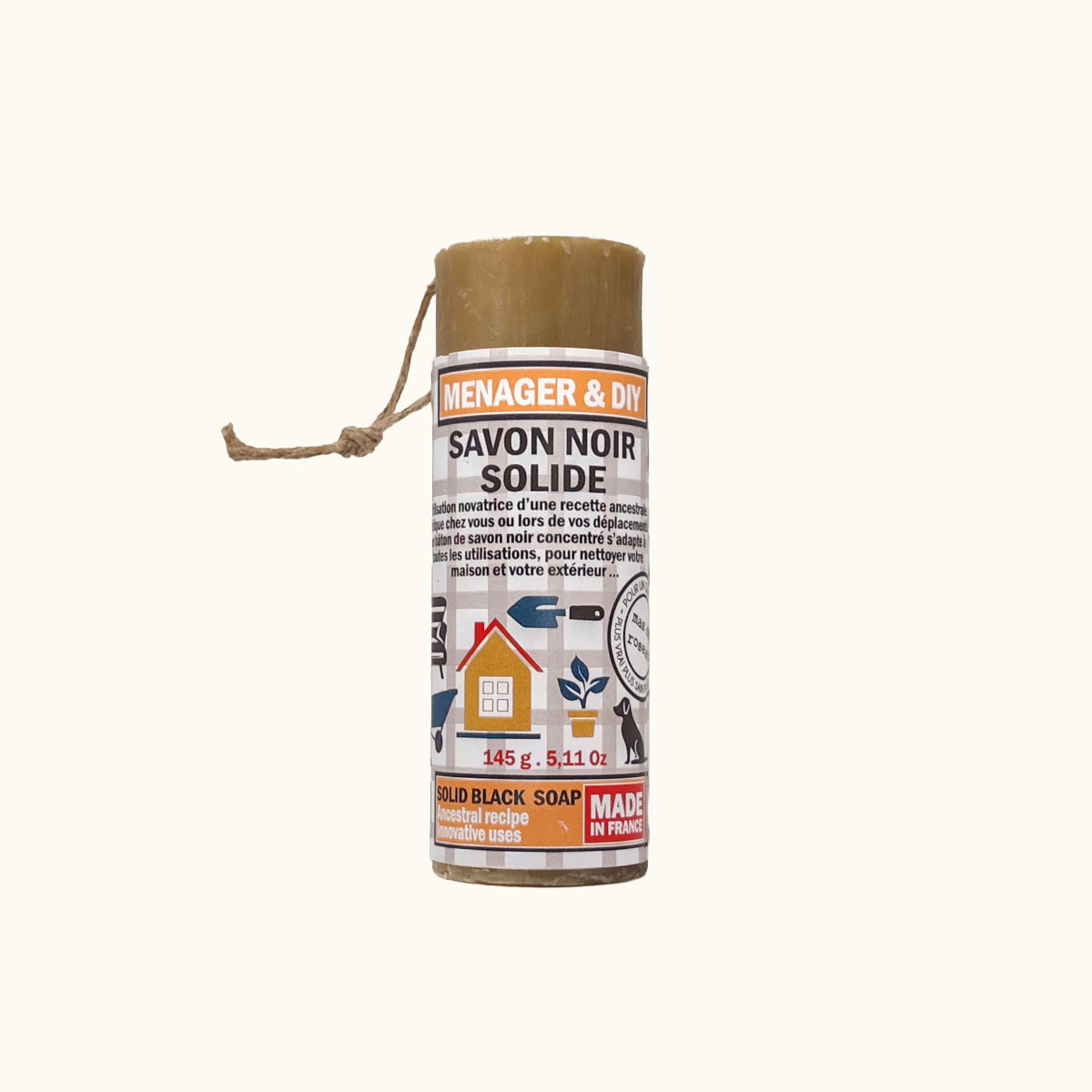
Black soap has stood the test of time. Made from vegetable oil—often linseed or olive—saponified with potash, it has a paste-like consistency, brown or black in color, with a characteristic odor. In Provence and throughout the Mediterranean region, it was long the only household cleaning product. One pot for everything.
Today, it's making a comeback in homes looking to simplify their cleaning routine. Here are five uses that go beyond simply cleaning floors.
1. Clean the floors without leaving streaks
This is the most well-known use, and it remains the most effective. A tablespoon of liquid black soap in a bucket of hot water is enough to wash tiled, stone, or polished concrete floors. There's no need to rinse if the dosage is correct—this is precisely what distinguishes it from many conventional cleaning products that leave a greasy film if they aren't rinsed.
For oiled or varnished wood floors, reduce the dose to half a teaspoon and test on a small area. Black soap is effective but strong—moderation is key depending on the type of finish.
2. Remove stains from laundry before washing
Black soap is a formidable natural stain remover for grease, mud stains, and rings. Apply a small amount to the damp stain, rub gently with your fingers or a soft brush, and leave it for fifteen to twenty minutes before washing.
It works particularly well on work clothes, children's clothing, and thick fabrics. For delicate materials (silk, fine wool), use a more diluted solution and test first on an inside seam.
3. Treat the plants against pests
This is the most surprising use, yet it has been documented for a long time. A solution of black soap diluted in water (one teaspoon per liter) sprayed on the leaves of indoor or garden plants helps to combat aphids, scale insects, and mites by disrupting their cell membranes.
Apply preferably in the evening or on a cloudy day to prevent the sun from burning the still-damp leaves. Repeat every two to three days for a week in case of infestation.
4. Unblocking and maintaining drains
Poured regularly in small amounts down the drains, black soap dissolves the grease buildup in pipes. It's not a powerful solution for major blockages—but used preventively, once a week with hot water, it significantly reduces deposits.
Combine it with a few spoonfuls of baking soda followed by a glass of white vinegar for a more complete cleaning of the siphons.
5. Clean the gardening tools
Garden tools become clogged with compacted soil, sap, and light rust. Black soap, applied neat or slightly diluted to a stiff brush, effectively cleans blades, handles, and metal surfaces. Rinse with clean water and dry thoroughly before storing—residual moisture accelerates rust.
For wooden tools, a cloth lightly soaked in black soap followed by another dry cloth maintains the wood and prolongs the life of the handle.
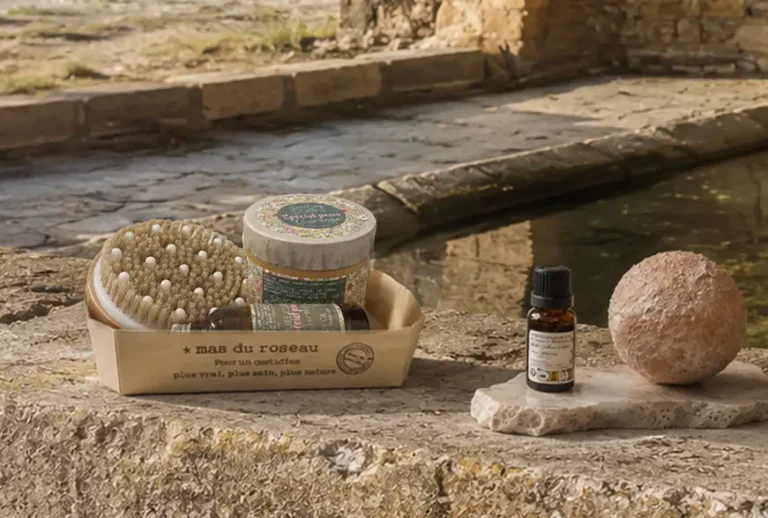
Black soap at Mas du Roseau
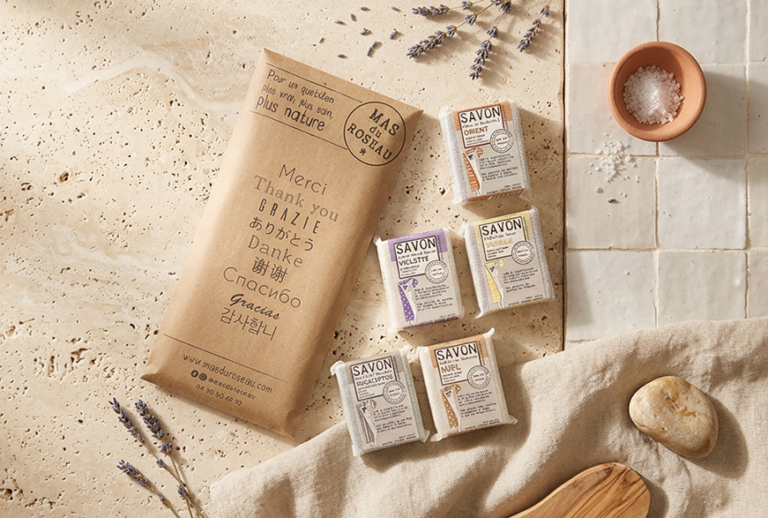
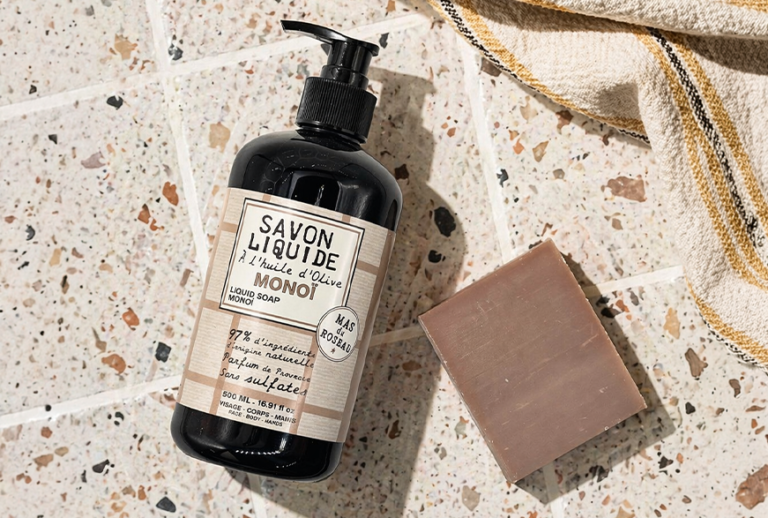
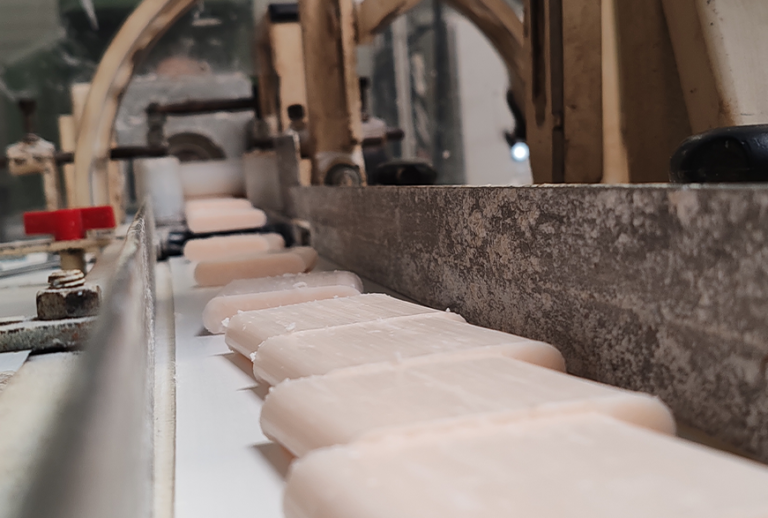
Our black soap is formulated with vegetable oil and made in our workshop in Saint-Chamas. It comes in solid form. Its simple composition—without added fragrance or unnecessary preservatives—makes it suitable for most surfaces and uses described here.